Roof Algae Removal in Vancouver, WA
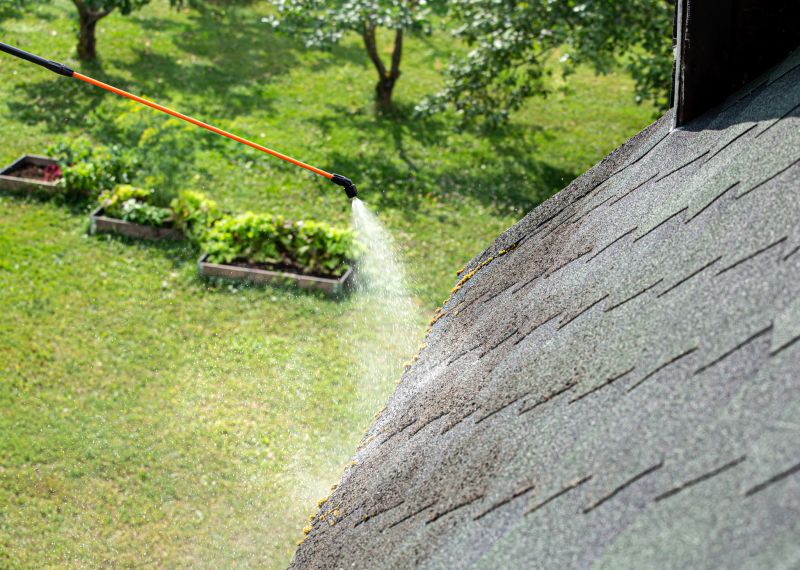
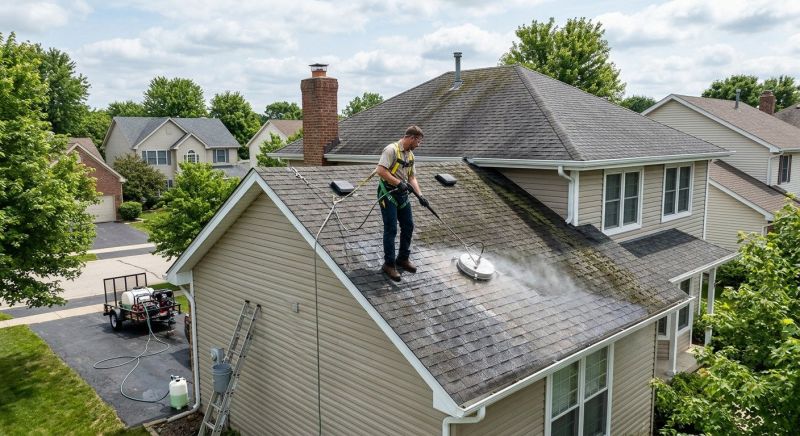
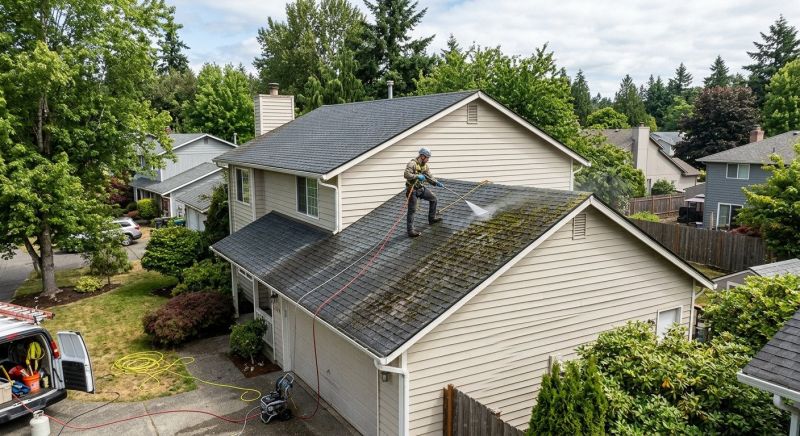
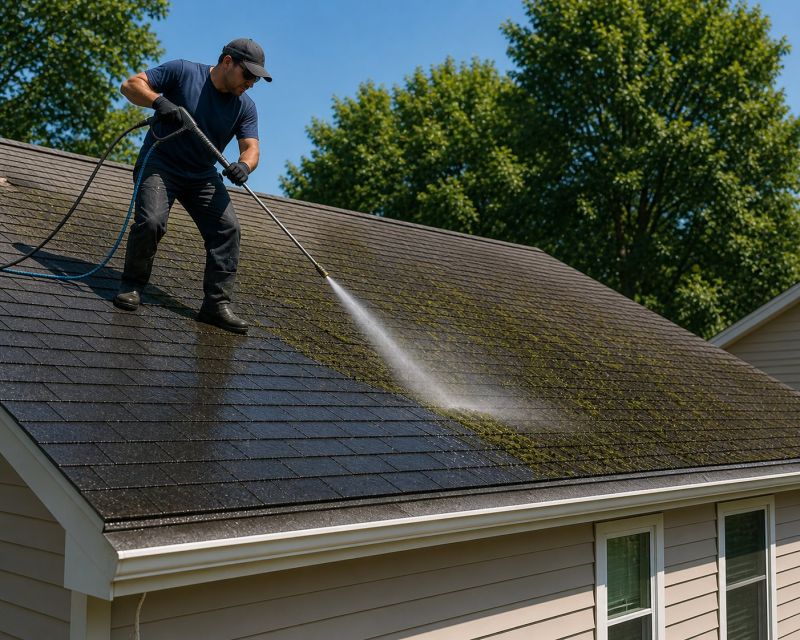
Roof algae removal services focus on eliminating unsightly and potentially damaging algae growth that can develop on residential rooftops. This service typically covers a variety of roof types, including asphalt shingles, tile, and other common materials, and is designed to restore the appearance of the roof while helping to maintain its integrity. Homeowners often request this service when algae stains become prominent or when algae begins to compromise the roof’s surface, leading to concerns about curb appeal and potential long-term damage.
Before requesting roof algae removal, property owners usually want to understand the methods used to remove algae safely and effectively, as well as any maintenance recommendations to prevent future growth. It’s important to consider the roof’s age and condition, as well as the extent of algae coverage, to determine the appropriate approach. Clarifying these details can help ensure the service aligns with the specific needs of the property and supports the roof’s overall health and appearance.
Many property owners in Vancouver, WA look into Roof Algae Removal for repairs, replacements, upgrades, and appearance-related improvements.
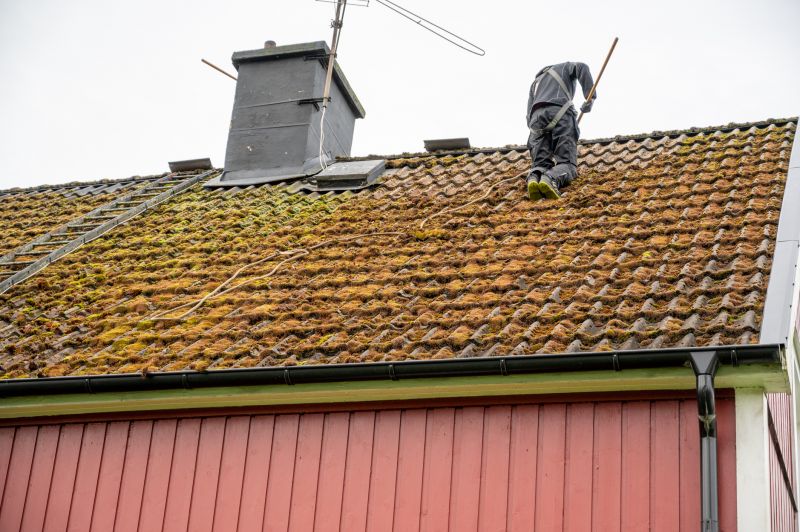
Benefits Of Roof Algae Removal
Removing algae can improve the appearance and longevity of your roof.
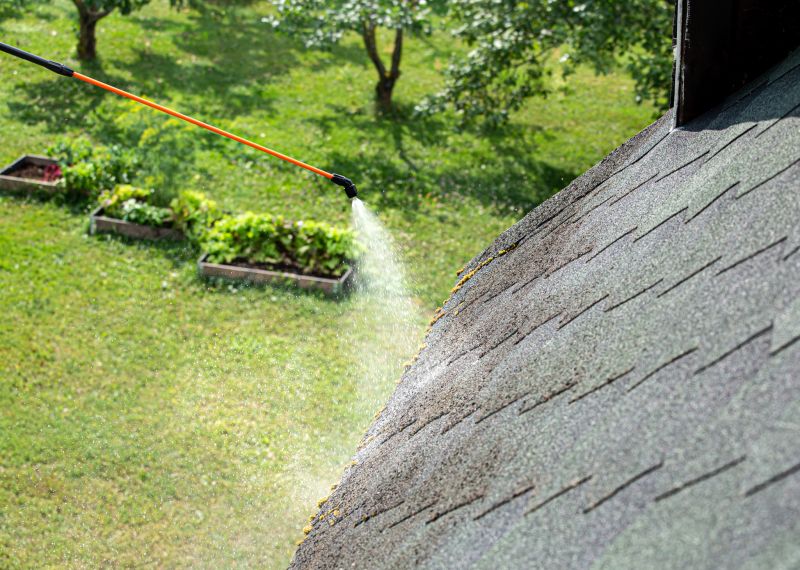
Signs You Have Roof Algae
Dark streaks or discoloration often indicate algae growth on the roof surface.
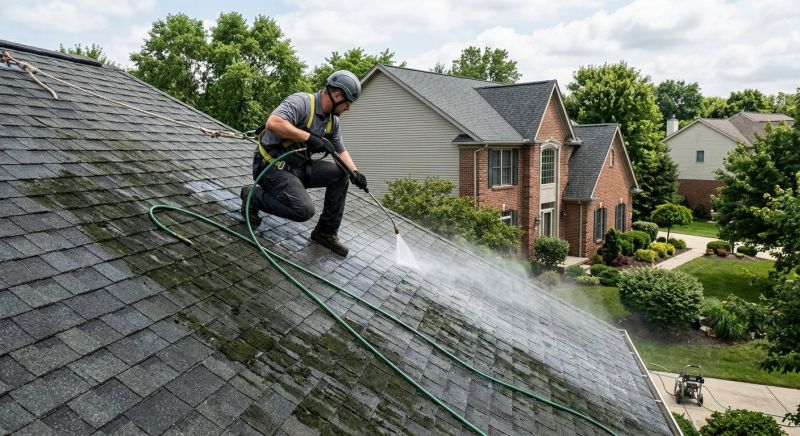
Maintenance Tips For Roof Care
Regular inspections and cleaning help prevent algae buildup and protect your home.
Roof Algae Removal in Vancouver, WA
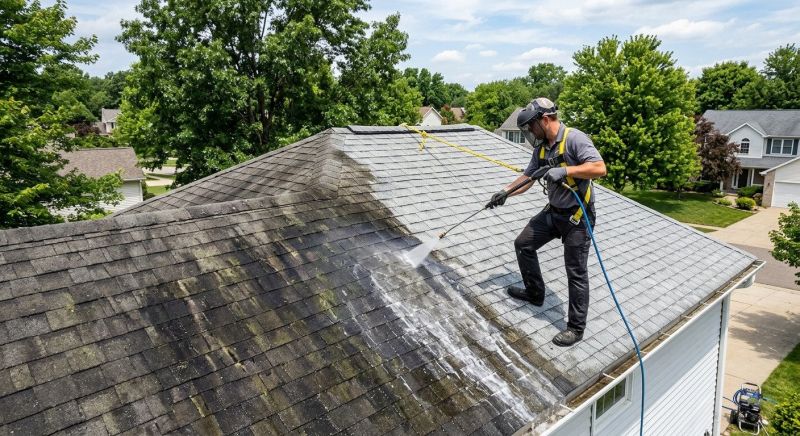
Roof algae removal services focus on eliminating unsightly and potentially damaging algae growth that can develop on residential rooftops. This service typically covers a variety of roof types, including asphalt shingles, tile, and other common materials, and is designed to restore the appearance of the roof while helping to maintain its integrity. Homeowners often request this service when algae stains become prominent or when algae begins to compromise the roof’s surface, leading to concerns about curb appeal and potential long-term damage.
Before requesting roof algae removal, property owners usually want to understand the methods used to remove algae safely and effectively, as well as any maintenance recommendations to prevent future growth. It’s important to consider the roof’s age and condition, as well as the extent of algae coverage, to determine the appropriate approach. Clarifying these details can help ensure the service aligns with the specific needs of the property and supports the roof’s overall health and appearance.
Many property owners in Vancouver, WA look into Roof Algae Removal for repairs, replacements, upgrades, and appearance-related improvements.
Common Roof Algae Removal Jobs
Roof Algae Removal - Eliminates unsightly algae growth that can damage roofing materials.
Shingle Cleaning - Restores the appearance of asphalt and composite shingles by removing algae stains.
Tile Roof Cleaning - Safely cleans algae from tile surfaces to extend roof life and improve curb appeal.
Metal Roof Treatment - Removes algae buildup from metal roofing while preserving the finish.
Gutter and Roof Screening - Clears algae from gutters and roof edges to prevent future growth.
Preventive Treatments - Applies solutions to inhibit algae regrowth and protect roofing surfaces.
Roof Algae Removal Questions
What causes roof algae growth? Roof algae thrive in humid environments with limited sunlight, feeding on organic materials on the roof surface.
How does algae affect a roof’s appearance? Algae can cause dark streaks or discoloration, making the roof look aged or dirty.
Is roof algae removal safe for shingles? Proper removal methods are designed to clean the roof without damaging shingles or other roofing materials.
How often should roof algae be removed? Regular inspections and cleaning can help prevent algae buildup, typically recommended every few years depending on local conditions.
Request Roof Algae Removal in Vancouver, WA
Use the quote form on this page to share the basics of your project and request more information for the type of work you need.